


Kalshi Traders Now See Better-Than-Even Odds XRP Slips Below $1 in 2026 as July Bounce Tests Nerves
Meta Description: Kalshi pricing implies a 59% chance XRP ends 2026 below $1. July shows a roughly 6% rebound off a six‑month low, extending a multi‑year July uptrend.
Key Takeaways
- Kalshi prediction market pricing indicates a 59% probability that XRP falls below $1 this year.
- XRP has climbed 5.6% in July, rebounding from a six‑month low of $1.01 after briefly touching $1.17 a few days ago.
- July has historically been a constructive month for XRP, which has extended a seven‑year streak of positive July returns.
- The $1 threshold remains a key psychological level as mixed price action and recurring market volatility pressure sentiment.
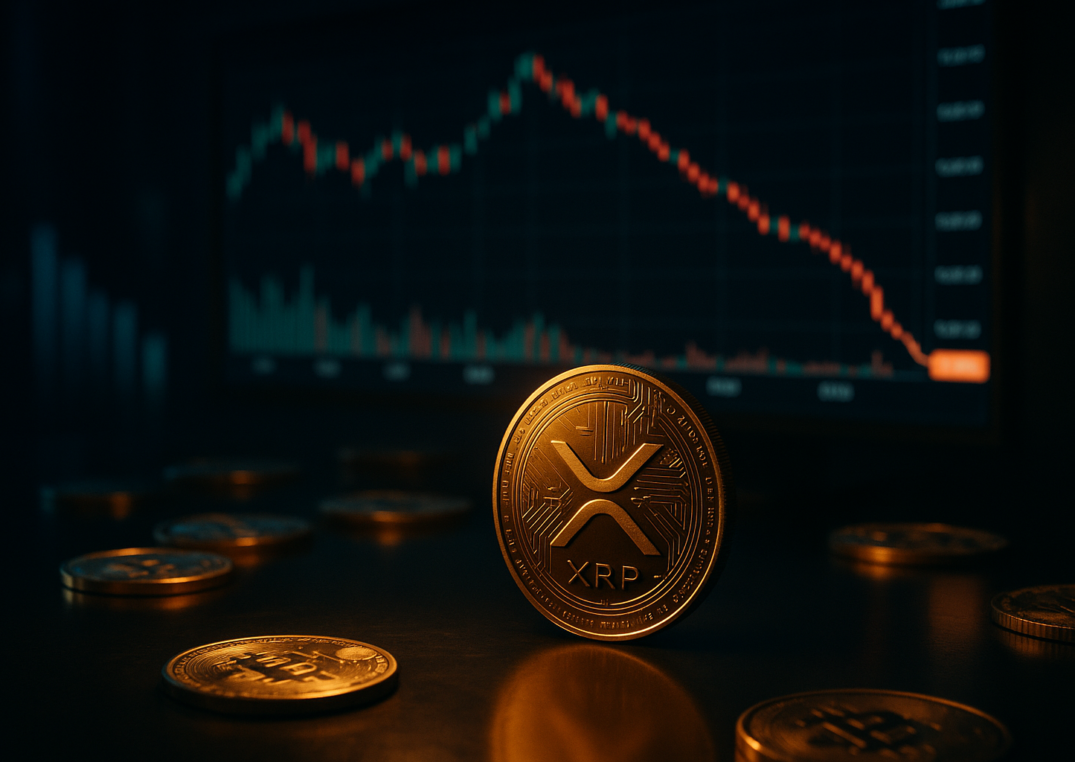
Traders in Kalshi’s crypto prediction market are assigning a 59% chance that XRP ends the year below $1, a pricing shift that underscores fragile confidence after a series of stop‑start rallies across digital assets. The odds, derived from real‑money wagers on a binary outcome, do not guarantee a move but reflect the crowd’s current base case as uncertainty lingers over crypto risk appetite. At the same time, XRP has managed a steadier July, rising 5.6% month to date, bouncing from a six‑month low of $1.01 and briefly tagging $1.17 a few days ago. The token has also extended a seven‑year run of positive July returns, a seasonal pattern that sits uncomfortably alongside the market’s newfound skepticism.
Market Overview
Across crypto, recurring bouts of risk aversion have kept rallies short and ranges choppy. XRP’s behavior has been emblematic: the token has slipped in and out of a bullish zone, struggling to hold momentum as volatility resets investor expectations. The more cautious backdrop is now visible in Kalshi’s pricing, where traders see a greater than 50% likelihood that XRP finishes the year below the $1 mark. While prediction markets are not forecasts in the strict sense, they aggregate the views of participants willing to risk capital on an outcome, providing an objective snapshot of sentiment.
Against that, July has offered a respite. Historical data cited from CryptoRank shows XRP up 5.6% this month, or roughly 6%, with the bounce coming after a six‑month low of $1.01 and a subsequent push to $1.17. For market participants, the combination of a seasonal tailwind and defensive crowd odds creates a tension: near‑term price action shows buyers engaging, while year‑end risk still leans toward a sub‑$1 close.

Price Action and Market Structure
The $1 level is a classic round‑number anchor and a key reference for positioning and psychology. Kalshi’s 59% reading suggests many traders expect the path of least resistance to test that threshold again before year‑end. That view aligns with the “two‑steps‑forward, one‑step‑back” pattern traders have observed, where breakouts fade as volatility returns and rallies meet supply. The brief move to $1.17 a few days ago demonstrated that bids remain, but a durable trend has been elusive as momentum stalls on approach to overhead levels.
From a structure standpoint, this type of tape often encourages mean‑reversion strategies—fade strength into known supply zones and accumulate on dips near key supports—while directional conviction stays low. That in turn can compress trending moves and keep the market oscillating until a catalyst clears the range. With prediction market odds leaning bearish into year‑end, some discretionary and systematic participants may view the $1 handle as a pivot around which to manage risk and recalibrate exposure.
Liquidity and Trading Activity
Binary event pricing can influence hedging behavior. When participants perceive a higher probability of a sub‑$1 outcome, they may adjust risk by tightening stops, lightening spot exposure into rallies, or expressing views via derivatives where available. Market makers, anticipating more two‑way flows around a psychologically important level, can widen spreads during volatility spikes and demand higher compensation for inventory risk. That feedback loop can thin liquidity at the edges of the range and amplify intraday swings, particularly if momentum traders and liquidity takers move in sync.
In contrast, July’s constructive performance—up 5.6% this month—signals that dip‑buyers have not disappeared. The rebound from $1.01 to a brief $1.17 print indicates residual demand when prices look technically attractive, even as conviction for a sustained uptrend remains constrained by the broader risk backdrop. For active traders, that mix argues for disciplined execution: respect local pockets of liquidity, be wary of slippage around round numbers, and assume order books can shift quickly as sentiment toggles between caution and opportunism.
Market Context
XRP’s mixed profile this year mirrors the wider crypto market’s pattern of intermittent recoveries punctuated by downside resets. The recurring downturns described by market observers have kept volatility elevated and narratives fluid. In that setting, prediction markets like Kalshi serve as real‑time barometers of investor expectations, and right now those expectations lean toward renewed pressure on XRP’s $1 floor by year‑end. Yet the token’s July behavior complicates a straightforward bearish read: a roughly 6% monthly gain, a rebound from a six‑month low, and a continuation of a seven‑year streak of positive July returns all point to persistent seasonal and tactical demand.
For allocators and traders alike, reconciling these signals means distinguishing between time horizons. Near‑term seasonal strength can coexist with longer‑dated caution about year‑end levels. Portfolio construction in such an environment often favors staggered entries and exits, dynamic position sizing, and scenario analysis that respects both the odds implied by wagering markets and the resilience seen in recent price action.
Why This Matters
The 59% probability priced on Kalshi is not a headline for its own sake—it crystallizes the collective view of risk within a marketplace where capital is on the line. That has several implications:
Investor sentiment: A more‑likely‑than‑not sub‑$1 year‑end close reflects eroding confidence in XRP’s ability to sustain rallies, reinforcing defensive postures among discretionary investors.
Institutional significance: For funds with mandate constraints or risk budgets tied to drawdown thresholds and psychological price anchors, the odds can influence exposure sizing into the fourth quarter, favoring tactically lighter positioning or hedges near the $1 area.
Liquidity effects: Dealers and liquidity providers may adjust spreads and inventory risk assumptions in anticipation of sharper flows around $1, which can intermittently reduce depth and exacerbate whipsaws close to that level.
Trading behavior: Range trading can dominate absent a catalyst, with participants fading moves toward resistance and defending support, while stops cluster around the round number—raising the risk of swift, technically driven moves if those levels give way.
Sector impact: XRP’s struggle to hold momentum amid recurring market volatility is emblematic of broader conditions. If a major asset within the large‑cap cohort cannot convert rebounds into trends, beta appetites elsewhere can remain subdued, weighing on cross‑market participation.
Risks and What to Watch
Prediction market repricing: Keep an eye on the Kalshi contract as a live read on sentiment. A sustained shift below or above the 50% line can precede changes in positioning. For reference, Kalshi’s market currently prices a 59% probability that XRP ends 2026 under $1.
Behavior around $1: Watch for repeated failures or successful defenses at the round number. Rejection wicks and failed breakdowns can embolden dip‑buyers, while clean breaks can invite momentum follow‑through.
Follow‑through on July strength: XRP is up 5.6% this month and extended a seven‑year streak of positive July returns. If that seasonal bid fades quickly, it would validate the more defensive stance implied by prediction market pricing.
Volatility regime shifts: Sudden spikes in market‑wide volatility tend to thin liquidity and magnify moves around key levels. Traders should calibrate position size and leverage accordingly.
Outlook
Kalshi’s 59% reading signals that the market currently sees a sub‑$1 year‑end for XRP as the base case, even after a steadier July that lifted the token roughly 6% off its lows and preserved a lengthy record of positive July performance. The push‑pull between seasonal strength and a cautious year‑end bias suggests a continued range‑bound environment until a decisive catalyst emerges. For now, the $1 threshold remains the axis around which sentiment, liquidity, and strategy revolve, with traders inclined to respect the level while adapting quickly as conditions evolve.
