


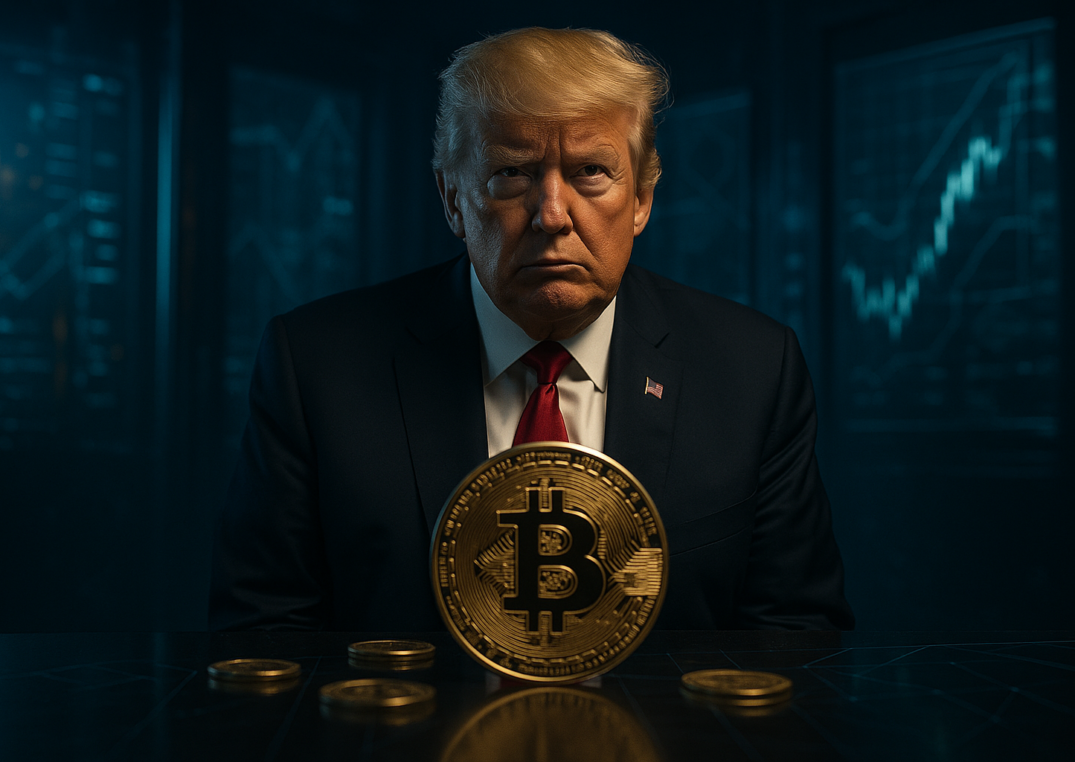
A new CoinDesk-commissioned survey finds that 62% of U.S. voters do not trust President Donald Trump’s administration to oversee the crypto industry, a sentiment that spotlights a lingering credibility gap around digital-asset regulation and the policy path markets are watching most closely.
Market Movement
The survey signals that regulatory confidence remains a key overhang for crypto, even as the White House has pursued a friendlier posture. Despite promises to make the United States the “crypto capital of the world,” and efforts to push a comprehensive framework, voters’ reservations suggest that investor positioning may continue to revolve around policy milestones rather than broad-based retail participation. The findings also undercut the notion that digital assets have already gone fully mainstream: according to the poll, crypto has become a regular part of daily life for only a small slice of the public.
That disconnect between an expansive policy agenda and tepid public trust leaves markets navigating sentiment that is cautious rather than exuberant. Traders and project teams attentive to Washington’s timetable will find little in the numbers to suggest widespread political cover for fast—or frictionless—rulemaking. Instead, the results point to a market climate where regulatory headlines and the perception of credible oversight remain decisive drivers of engagement and risk appetite.
Key Drivers
The White House has moved assertively to recast the regulatory environment: it named a high-profile crypto czar, issued executive orders to map a policy agenda, installed regulators who pledged support for friendlier rules, and helped shepherd legislation aimed at establishing the first major U.S. crypto law. Those steps revived industry hopes after what many saw as the previous administration’s heavier approach.

Yet the polling trend shows that the president’s broader political standing is slipping, with approval among U.S. voters at 40% in the latest readings. That drift may be diluting the perceived potency of his crypto message. Political capital matters in shaping expectations for passage of industry-defining rules, and a softer approval backdrop can translate into more drawn-out negotiations and narrower room for compromise—precisely the kind of uncertainty that markets tend to price into patience rather than momentum.
Ethics concerns also loom large in the data. Nearly half of respondents (45%) are aware that the president and his family have built a profitable personal stake in the crypto sector, including partial ownership and control of World Liberty Financial and other digital-asset interests. A much larger 73% oppose senior government officials—without naming any in particular—having personal business dealings in the industry. While Republicans are more flexible on that point, a solid 59% of GOP voters also oppose such ties. Awareness of specific involvement remains limited, however: only 17% knew that the Trumps backed the launch of World Liberty, a venture that has attracted attention over potential conflicts and related controversies.
Investor Reaction
The industry’s posture toward the president has been complicated. Crypto leaders welcomed supportive appointments and policy choices, even as his family’s business exposure created headwinds for advocacy efforts on Capitol Hill. That balancing act is evident in the survey’s trust gap: the sector’s most prominent political ally is not yet the regulator-in-chief that a majority of voters are ready to endorse.
Official responses reflect the same divide. The White House did not comment on the polling, while a World Liberty spokesman emphasized that the company “wholeheartedly supports” the president’s pledge to make the United States the crypto capital of the world and said he has “continually delivered” on ensuring the technology develops and thrives domestically. The messaging underscores the administration’s alignment with industry growth, but the poll suggests that winning over voters as credible stewards of oversight remains unfinished work.
The tension between perception and promotion was also on display at a recent private event for top investors in the $TRUMP memecoin, where the president told attendees that the United States is the “leader in crypto” and that digital assets have “become mainstream.” The survey’s portrait of limited everyday adoption offers a counterpoint, indicating that market enthusiasm among dedicated participants has not yet translated into the kind of mass familiarity that typically reduces volatility and policy risk premiums.
Policy Crossroads
The Digital Asset Market Clarity Act sits at the center of the market’s regulatory watchlist. Backed by the White House and already through the U.S. House of Representatives, the bill faces a narrower path in the Senate, where bipartisan talks have stretched for months. A core sticking point is a Democratic push to add a ban on personal crypto ties for senior officials—the very kind of involvement that poll respondents overwhelmingly oppose. Previous signals from administration advisers indicated the White House would not accept a bill that singles out the president or his family, leaving negotiators to square ethics expectations with the administration’s stance.
For market participants, the implications are straightforward: the bill’s prospects hinge on attracting sufficient Democratic support to clear the typical 60-vote threshold in the Senate. Until that coalition is in view, the timeline for statutory clarity remains uncertain. The data released in the survey provide little evidence that voter sentiment is exerting pressure to accelerate compromise; if anything, the trust deficit may reinforce demands for stricter guardrails as the price of progress.
Broader Impact
The polling picture suggests that crypto’s policy debate is not just a question of technical rule-writing but of institutional credibility. With a majority expressing discomfort about the current administration’s role in oversight, the market faces a near-term environment shaped by legislative pacing, ethics assurances, and public education. The industry’s largest goal—comprehensive regulation that clarifies the status of digital assets—continues to be within reach, but the path is likely to reflect the survey’s caution rather than the rhetoric of inevitability.
Methodologically, the online survey, conducted last week, canvassed 1,000 registered voters and carried a credibility interval of about 3.5%. It was split evenly between voters who supported Trump and Democrat Kamala Harris in the last presidential election, indicating that the majority doubting his administration’s crypto capabilities reflects movement among at least some who previously backed him. CoinDesk plans to release additional survey data on Tuesday at Consensus Miami as part of a broader series on voter views heading into the 2026 midterm election cycle.
For digital-asset traders and builders, the message is clear: the market continues to trade against a backdrop where regulatory legitimacy is as crucial as rule design. The administration’s energetic push, the industry’s pragmatic welcome, and the public’s demand for distance between policymaking and personal holdings form the triangle shaping the next phase of U.S. crypto oversight. Until that tension resolves—most visibly through Senate action on the Clarity Act—the survey suggests that confidence, not just compliance, remains the missing catalyst for a broader investor embrace.
